Service Background
Service_1
Concreting

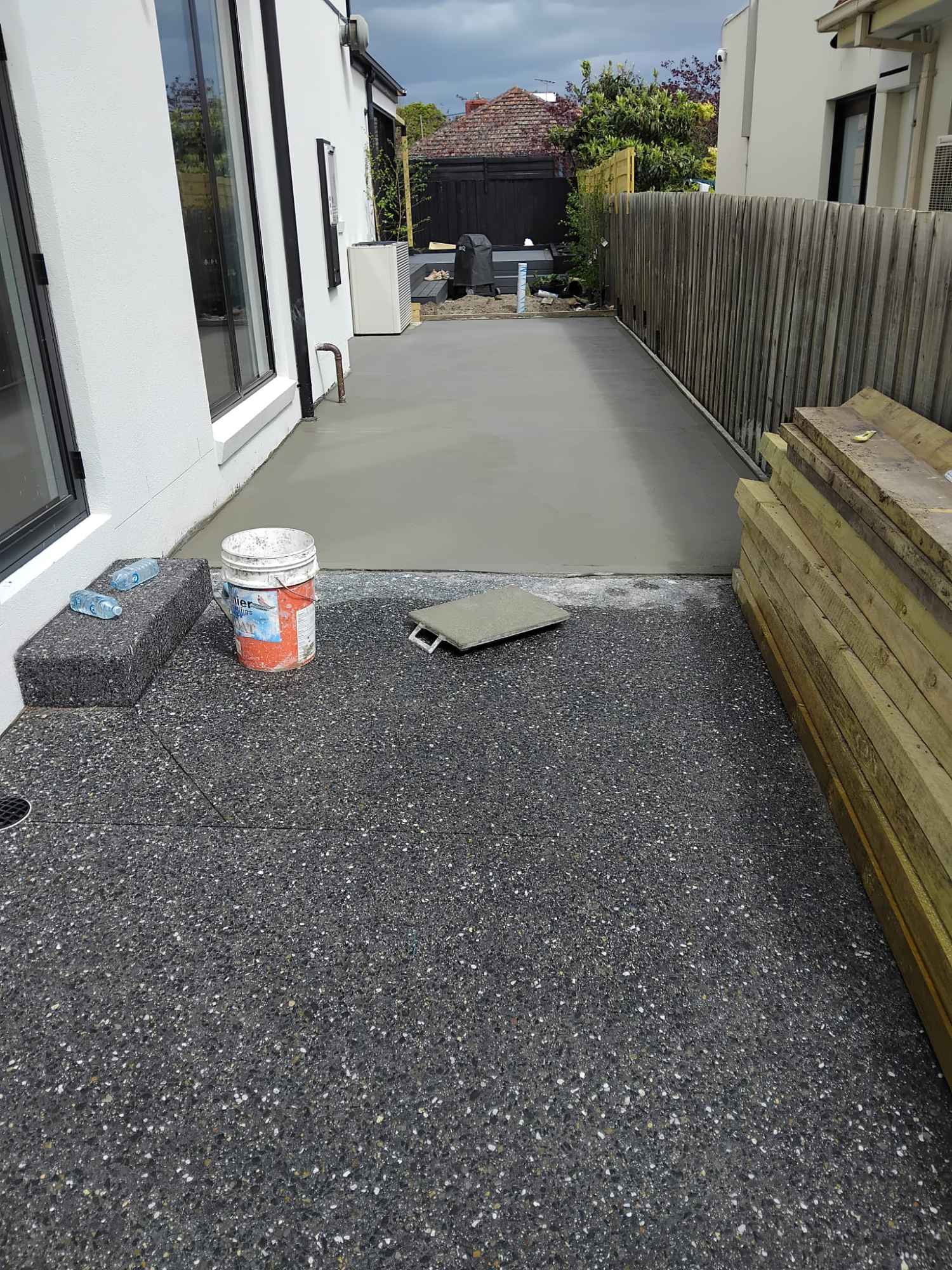
Concreting is a fundamental part of creating strong and reliable structures. It provides a solid foundation that supports everyday use with confidence. Well-executed concrete enhances both functionality and appearance. It plays a key role in residential and commercial construction. Durable concrete surfaces improve safety and usability. Quality workmanship ensures long-term performance.

Every concreting project begins with careful planning and assessment. Site conditions are reviewed to determine the correct approach. Ground levels and soil stability are considered in detail. Proper preparation helps prevent future structural issues. Accurate planning supports efficient project execution. This stage sets the foundation for lasting results.

The installation process requires precision and skilled execution. Formwork is set to achieve correct shape and alignment. Reinforcement is added to improve strength and durability. Concrete is poured evenly to ensure consistent quality. Timing and technique are carefully managed throughout. Each step directly affects the final outcome.

Finishing is an essential part of professional concreting. Smooth surfaces improve both appearance and function. Clean edges provide a refined and polished look. Proper joint placement helps control natural movement. Attention to detail enhances overall durability. A well-finished surface reflects high-quality workmanship.

Curing allows concrete to reach its full strength. Moisture levels are controlled during this phase. Proper curing reduces the risk of cracking. It improves resistance to weather and wear. This process supports long-term structural integrity. Patience during curing leads to stronger concrete.

Professional concreting delivers long-term value and reliability. Well-built surfaces require less maintenance over time. Quality construction improves property value. Skilled workmanship ensures consistent performance. Strong concrete withstands daily use and conditions. Reliable concreting remains effective for years to come.

Service 2 Image
Fencing

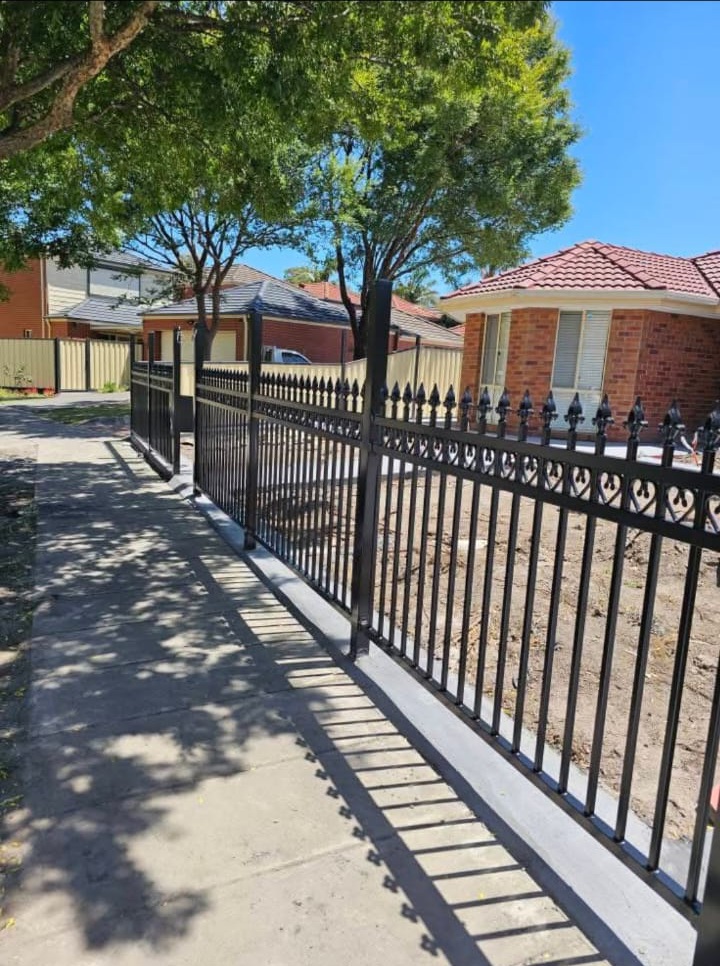
Fencing plays an important role in defining and protecting a property. It creates clear boundaries while improving overall security. A well-installed fence adds structure and order to outdoor spaces. It also enhances the visual appeal of homes and businesses. Strong fencing provides privacy where it matters most. Quality fencing balances function with design.

Every fencing project begins with understanding the site and purpose. Property layout is reviewed to determine correct placement. Ground conditions influence post depth and alignment. Fence height and style are selected based on needs. Proper planning ensures stability and consistency. This step prevents future alignment or durability issues.

Installation requires accuracy and attention to detail. Posts are positioned carefully to maintain straight lines. Secure footing is essential for long-term strength. Panels or rails are fitted to ensure uniform spacing. Correct fixing methods improve overall stability. Skilled installation results in a clean, professional finish.

Different fencing styles serve different purposes. Some focus on security and strength. Others prioritise privacy and noise reduction. Decorative fencing enhances street appeal. Practical fencing suits high-traffic or boundary areas. Each style is chosen to suit the property’s needs.

Durability is a key factor in quality fencing. Materials are selected for strength and longevity. Proper treatment helps resist weather exposure. Secure construction reduces movement over time. Well-built fencing requires minimal maintenance. Long-lasting fences protect your investment.

Professional fencing adds value and confidence to a property. It improves safety for families and businesses. Clean finishes reflect skilled workmanship. Reliable installation reduces future repairs. Quality fencing supports long-term functionality. A well-built fence stands strong for years.

Service_3
Retaining Walls

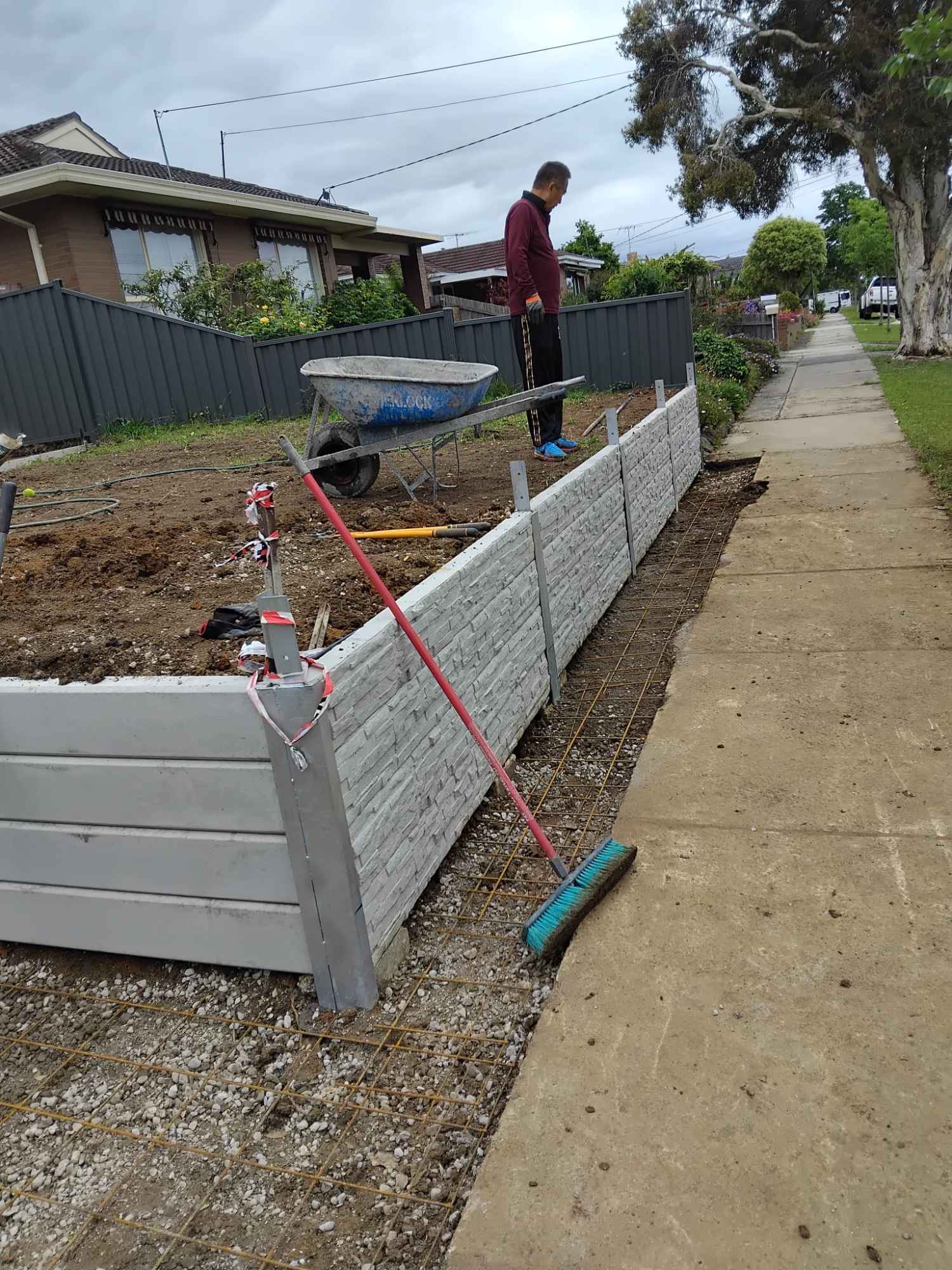
Retaining walls play a vital role in controlling land levels and supporting soil. They help stabilise sloped areas and prevent erosion over time. Well-constructed retaining walls protect surrounding structures and landscapes. They allow outdoor spaces to be shaped more effectively. Retaining walls also improve safety in uneven areas. Strong design ensures long-term performance and reliability.

Careful planning is essential before retaining wall construction begins. Site conditions and ground pressure are thoroughly assessed. Soil type influences the wall’s design and strength. Drainage requirements are identified early in the process. Wall height and load capacity are calculated precisely. Proper planning prevents structural issues later.

Construction focuses on durability and correct installation methods. Foundations are prepared to support the wall’s weight. Materials are selected based on strength and longevity. Reinforcement is added where necessary for stability. Accurate alignment ensures both function and appearance. Skilled workmanship leads to dependable results.

Retaining walls serve both practical and aesthetic purposes. They create level areas for gardens and pathways. Structured walls improve organisation within outdoor spaces. Finishes can be chosen to suit the surrounding environment. Well-designed walls enhance overall landscaping appeal. Function and appearance work together in quality builds.

Effective drainage is critical for retaining wall performance. Drainage systems manage water pressure behind the wall. Proper water flow prevents cracking or shifting. This protects the structure during heavy rainfall. Good drainage extends the wall’s lifespan. It is essential for long-term stability.

Professionally built retaining walls add lasting value to properties. They improve land usability and safety. Quality construction reduces maintenance requirements. Strong walls support future landscaping projects. Reliable workmanship ensures peace of mind. Well-built retaining walls stand firm for years.

Service_4
Landscaping

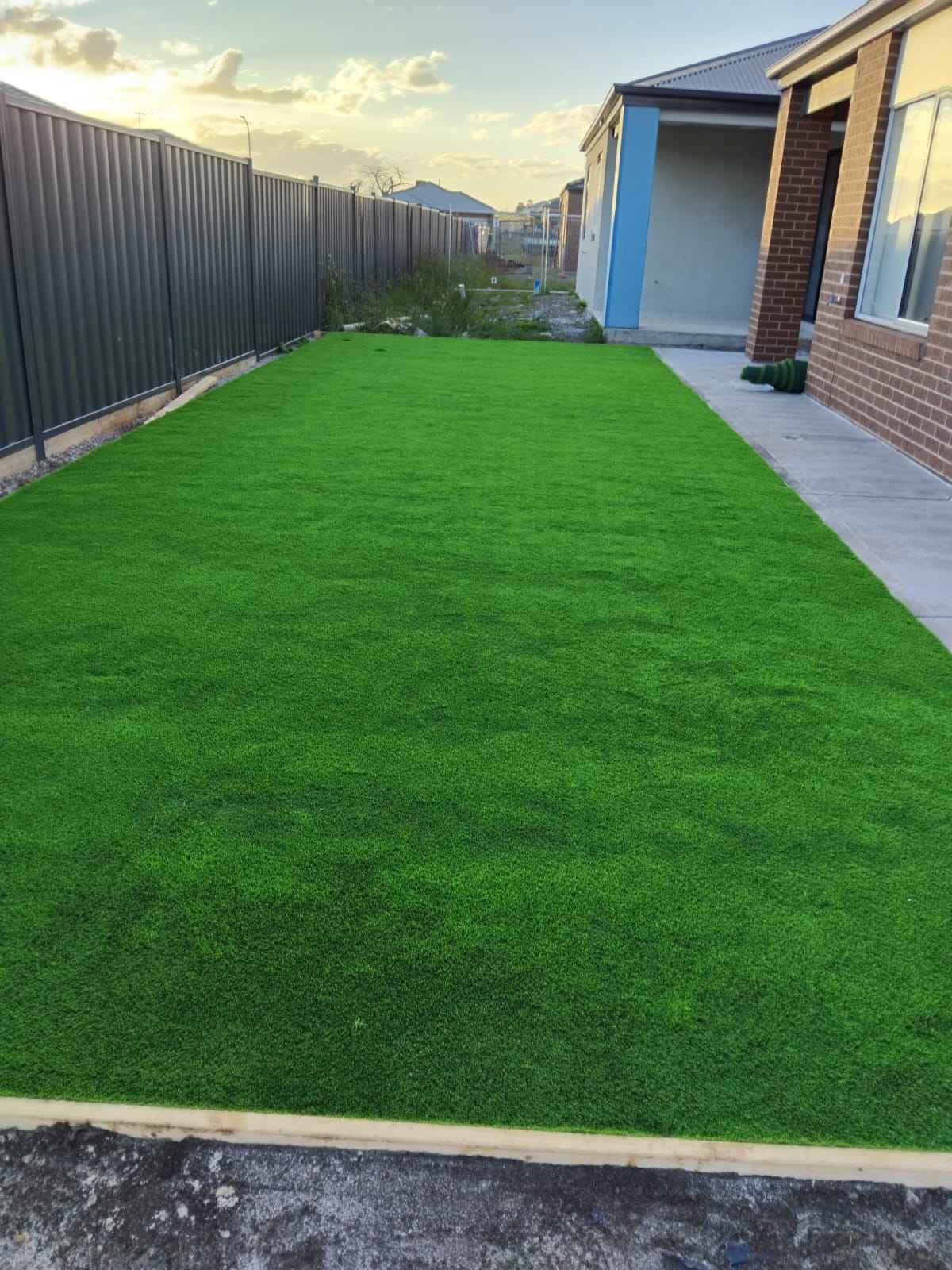
Landscaping transforms outdoor areas into functional and inviting spaces. It enhances the natural appearance of a property while improving usability. Well-planned landscaping creates balance between structure and greenery. It helps define outdoor zones for relaxation and movement. Quality landscaping adds character and visual appeal. Thoughtful design improves the overall environment.

Every landscaping project begins with careful planning and vision. The layout of the space is assessed to maximise potential. Soil conditions and drainage are considered early. Plant placement is planned for growth and longevity. Structural elements are positioned for balance and flow. Proper planning ensures a cohesive final result.

Landscaping involves both construction and natural elements. Paths, edging, and levels provide structure and accessibility. Plants soften the space and add natural texture. Materials are selected to suit the environment and style. Each element works together to create harmony. Skilled execution brings the design to life.

Functional landscaping improves how outdoor spaces are used. Level areas create safe and practical zones. Well-designed layouts improve movement and accessibility. Shade and open areas are balanced for comfort. Landscaping can enhance privacy and reduce noise. Practical design supports everyday living.

Durability is essential in professional landscaping. Materials are chosen for strength and weather resistance. Proper installation reduces maintenance needs. Plants are selected to suit local conditions. Quality workmanship ensures long-term performance. A durable landscape remains attractive over time.

Professional landscaping adds long-term value to a property. It enhances street appeal and outdoor enjoyment. Well-executed work reflects attention to detail. Quality landscapes improve comfort and usability. Skilled craftsmanship delivers lasting results. Thoughtfully designed spaces continue to impress for years.